Skip to product information
1 of 7
Low Stock
Shipping now

Black Tartarian Cherry Tree

Rich, wine-sweet cherry flavor

Height
Trusted by 4M+ Gardeners
Grow Guarantee
Fast Shipping
Secure
Shipped from Asheville, NC

About the Variety

New

Key Features

Frost Tolerant
Attracts Bees
Fragrant
Edible

Plant Details

LIFE CYCLE

  • Perennial

SEED TYPE

  • Live Plant

LIGHT REQUIREMENT

  • Full Sun

BLOOM SEASON

  • Spring

GROWTH HABIT

  • Upright

COLOR

  • Red
  • Purple

MATURE SIZE

  • 15 ft. x 10 ft.

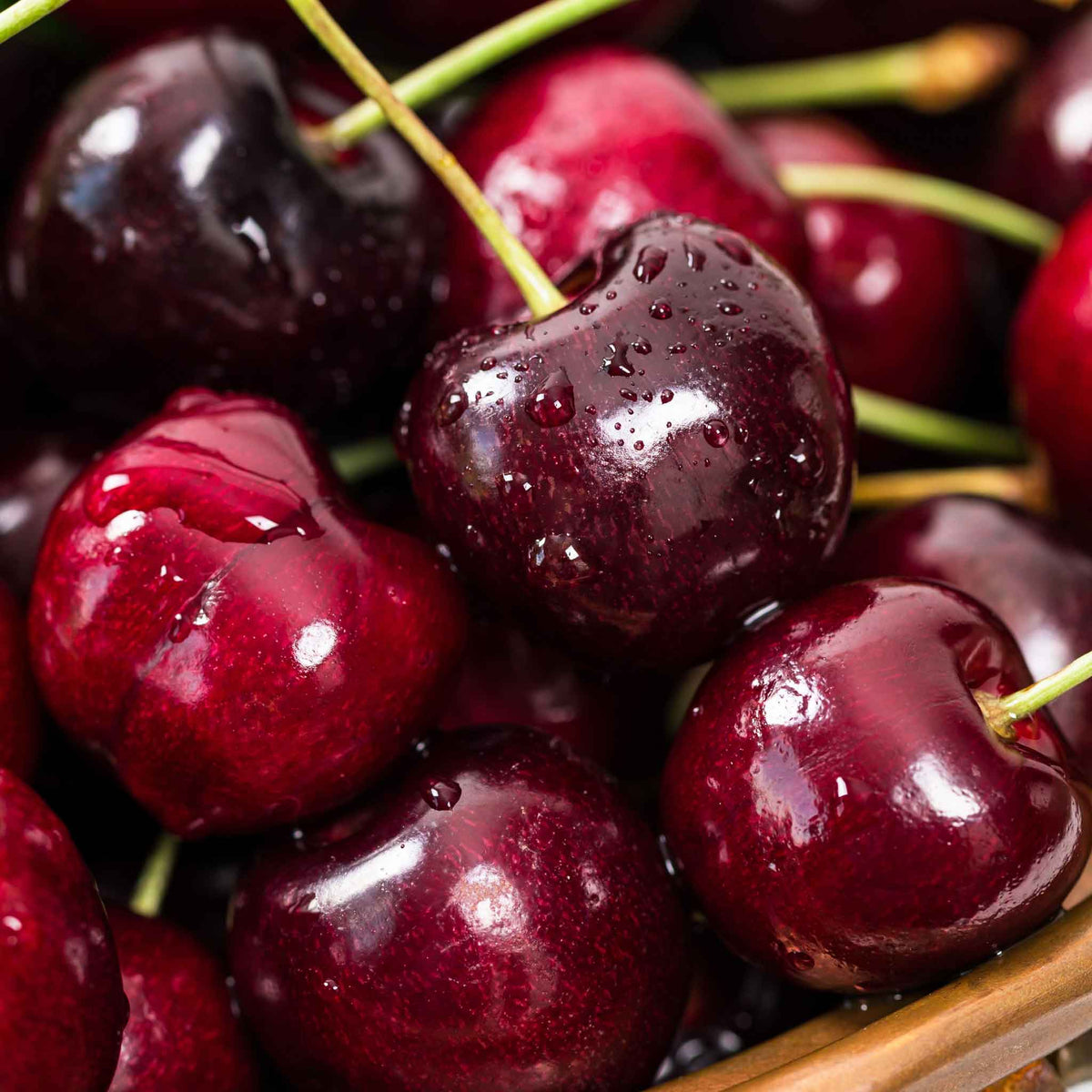
An heirloom favorite since the early 1800s, Black Tartarian produces glossy, near-black cherries with juicy flesh and an intensely sweet, almost wine-like flavor. Ripening in June, the Black Tartarian Cherry Tree delivers its delicious harvest earlier than many other sweet cherries, perfect for picking straight from the branch or enjoying in pies and preserves. Showy white spring blossoms and a vigorous, upright habit make this classic cherry a genuine landscape tree and an incredible fruit producer.

This item is excluded from coupon codes and site-wide promotions.

Available across most of the U.S. — except AK, AZ, CA, HI, ID, OR, WA.

  • • Early season harvest
  • • Excellent fresh or preserved
  • Needs a pollinating partner; plant a different but compatible cherry variety nearby to set fruit

Planting Information

PLANTING SEASON

  • Spring
  • Fall

PLANTING DEPTH

  • Plant at the same depth as the nursery container

WATER NEEDS

  • Average

PLANT SPACING

  • 10 to 15 feet

HARDINESS ZONES

  • 5
  • 6
  • 7
  • 8

Planting Guide

recommended growing zone View our Cherry Tree Planting Guide to learn more.

Companion Plants

1 of 3

Black Tartarian Cherry Tree FAQs

How does the Black Tartarian taste?

It is a dark, richly sweet cherry with firm, juicy flesh and a deep, almost wine-like flavor. The near-black fruit is excellent eaten fresh and equally good in pies, preserves, and liqueurs. Many growers consider it one of the most flavorful classic sweet cherries.

Do I need a second tree to get fruit?

Yes. Black Tartarian is not self-fertile, so it needs a compatible sweet cherry variety blooming nearby to set a good crop. Bing, Stella, Rainier, and other mid-season sweet cherries make good partners and Black Tartarian returns the favor as a strong pollinator for them.

How soon will it bear fruit?

Sweet cherries typically begin bearing a few years after planting, with fuller crops as the tree matures. Giving it full sun, steady early-years watering, and a compatible pollinator nearby will help it reach reliable, heavy June harvests sooner.

Can I grow it in a cold climate?

It is hardy outdoors in USDA zones 5 through 8, so it handles genuine winters. The main risk in cold regions is a late spring frost damaging the early blossoms. Planting the tree where it gets good air drainage and isn't in a frost pocket helps protect the bloom.

Why is my cherry tree dropping fruit or losing leaves?

A light natural drop after bloom is normal as the tree sheds what it can't support. Heavier fruit drop often points to inadequate pollination (no compatible partner nearby) or inconsistent watering. Sudden leaf or limb dieback can signal bacterial canker or brown rot. In that case, prune in dry weather, clear fallen fruit, and improve airflow to reduce disease pressure.

When and how do I harvest?

Cherries ripen in June. Pick when they are fully colored, deep purple-black, glossy, and taste sweet. They will not continue to ripen after picking. Harvest gently with the stems attached to extend shelf life, and net the tree ahead of ripening if birds are a problem in your area.

Grown by Our Community • All cherry trees

    1 of 0