
-
main-collection-product-grid
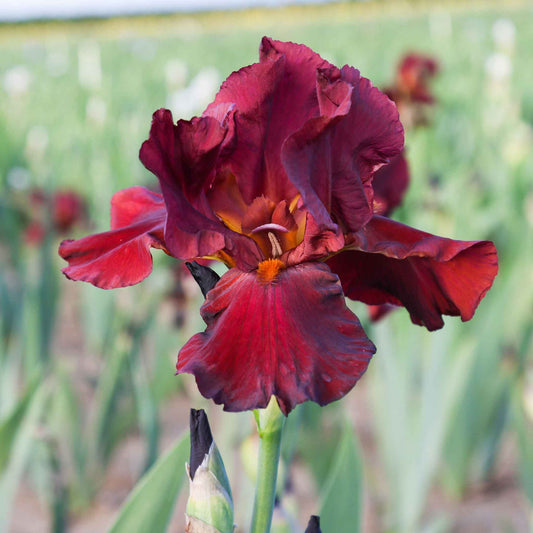
Re-Blooming Bearded Iris Bulbs - Bernice's Legacy
A rarer color for irises, sure to attract attention in the gardenRe-Blooming Bearded Iris Bulbs - Bernice's Legacy
A rarer color for irises, sure to attract attention in the gardenRegular price As Low As $14.99Regular priceUnit price per -
main-collection-product-grid
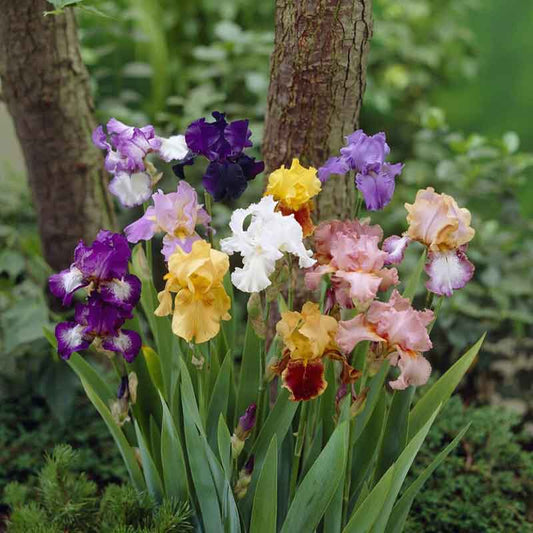
Re-Blooming Bearded Iris Bulbs - Mix
All the essential reblooming irises in one easy-to-grow collectionRe-Blooming Bearded Iris Bulbs - Mix
All the essential reblooming irises in one easy-to-grow collectionRegular price As Low As $56.99Regular priceUnit price per -
main-collection-product-grid
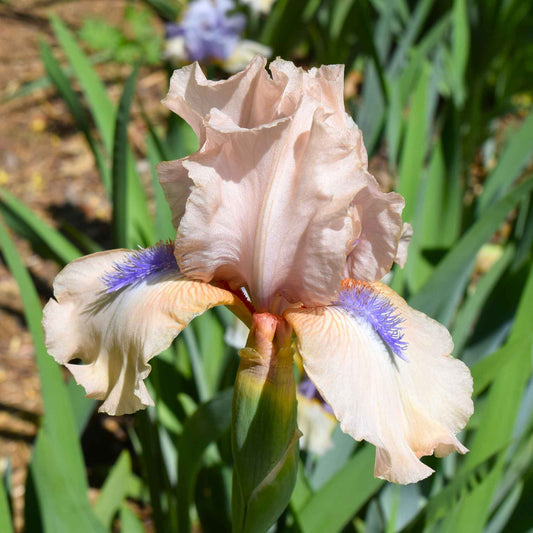
Re-Blooming Bearded Iris Bulbs - Concertina
Rose undertones meld with violet beards in perfect harmonyRe-Blooming Bearded Iris Bulbs - Concertina
Rose undertones meld with violet beards in perfect harmonyRegular price As Low As $14.99Regular priceUnit price per -
main-collection-product-grid
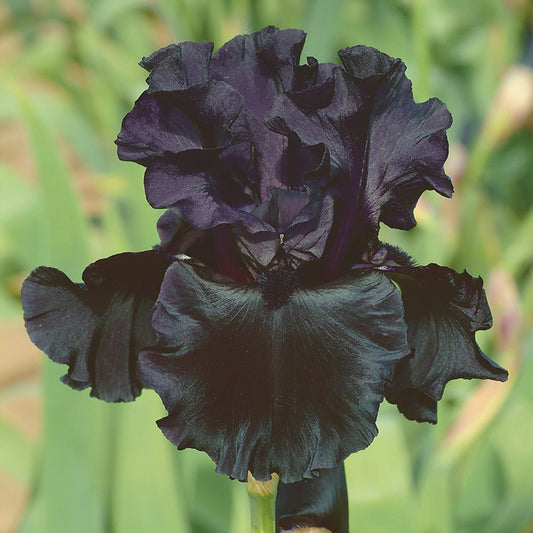
Bearded Iris Bulbs - Black Suited
Dark as night with a musky fragranceBearded Iris Bulbs - Black Suited
Dark as night with a musky fragranceRegular price As Low As $14.99Regular priceUnit price per -
main-collection-product-grid
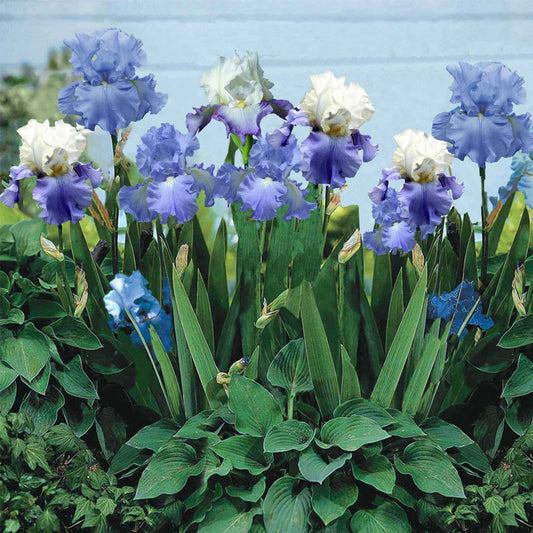
Re-Blooming Bearded Iris Bulbs - Blue Mix
A best-selling mix, these nectar-rich blue blooms are a favorite with beesRe-Blooming Bearded Iris Bulbs - Blue Mix
A best-selling mix, these nectar-rich blue blooms are a favorite with beesRegular price As Low As $56.99Regular priceUnit price per -
main-collection-product-grid
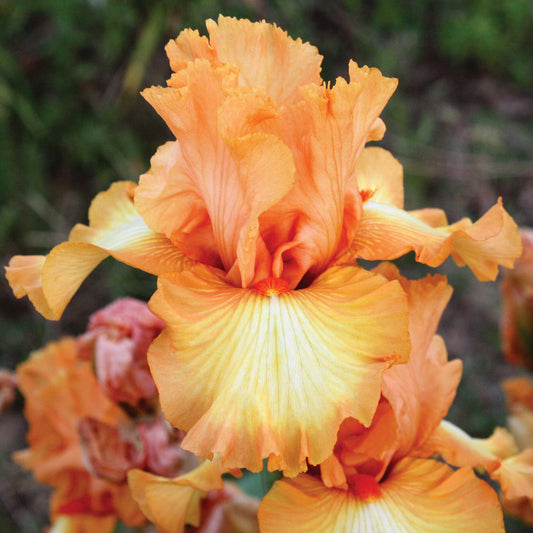
Bearded Iris Bulbs - Great Balls of Fire
Highly ruffled in a flaming shade of orangeBearded Iris Bulbs - Great Balls of Fire
Highly ruffled in a flaming shade of orangeRegular price As Low As $14.99Regular priceUnit price per -
main-collection-product-grid
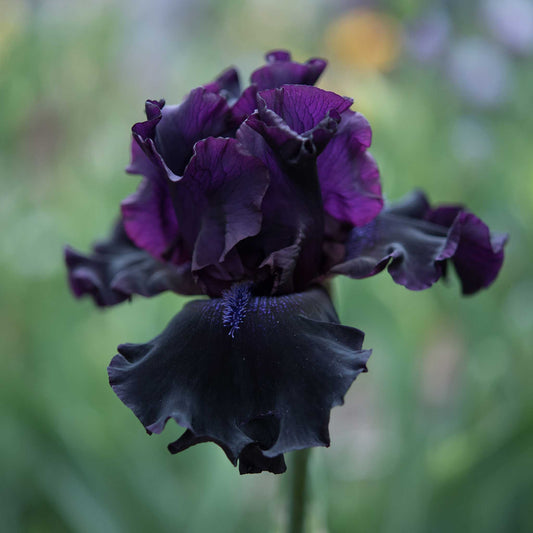
Re-Blooming Bearded Iris Bulbs - Superstition
Winner of the prestigious Award of Garden Merit by the Royal Horticultural SocietyRe-Blooming Bearded Iris Bulbs - Superstition
Winner of the prestigious Award of Garden Merit by the Royal Horticultural SocietyRegular price As Low As $14.99Regular priceUnit price per -
main-collection-product-grid
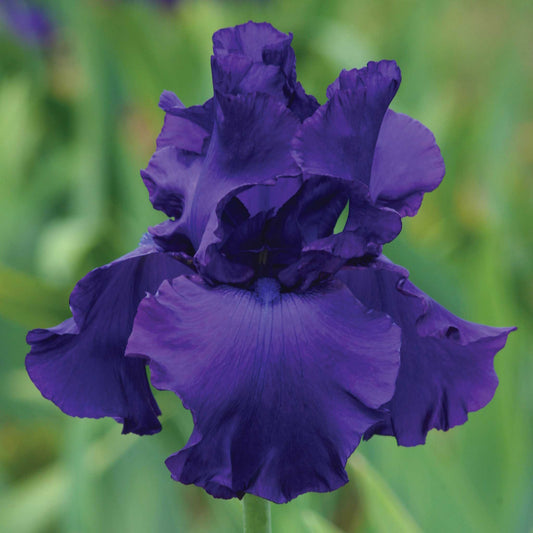
Bearded Iris Bulbs - Titan's Glory
Large blooms measure six inches tall and five inches acrossBearded Iris Bulbs - Titan's Glory
Large blooms measure six inches tall and five inches acrossRegular price As Low As $14.99Regular priceUnit price per -
main-collection-product-grid
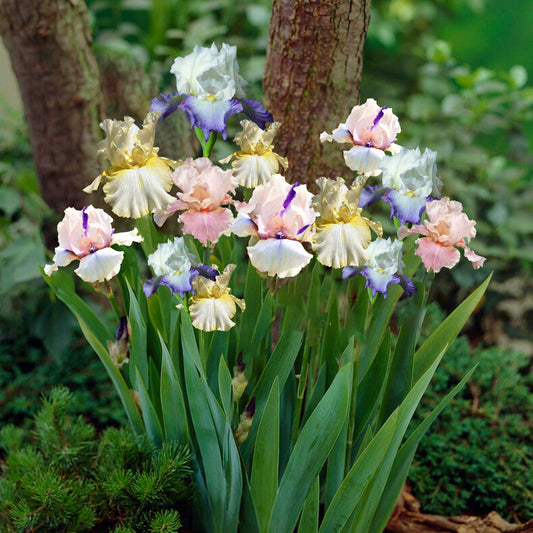
Re-Blooming Bearded Iris Bulbs - Pastel Mix
The only collection of reblooming bearded irises you'll ever needRe-Blooming Bearded Iris Bulbs - Pastel Mix
The only collection of reblooming bearded irises you'll ever needRegular price As Low As $56.99Regular priceUnit price per -
main-collection-product-grid
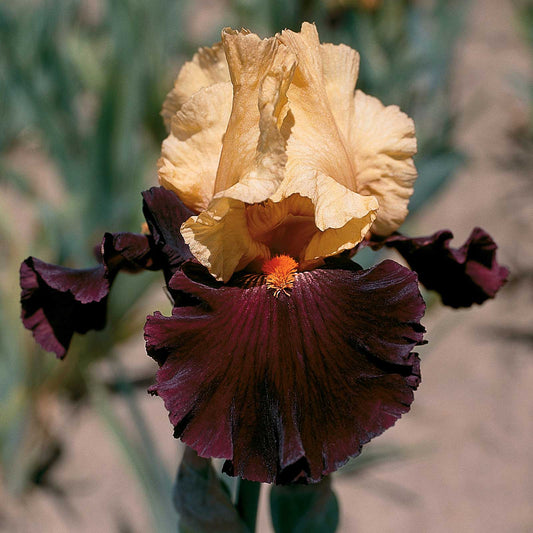
Bearded Iris Bulbs - Idol
American Iris Society 2001 Honorable Mention & 2003 Award of Merit winnerBearded Iris Bulbs - Idol
American Iris Society 2001 Honorable Mention & 2003 Award of Merit winnerRegular price As Low As $14.99Regular priceUnit price per -
main-collection-product-grid
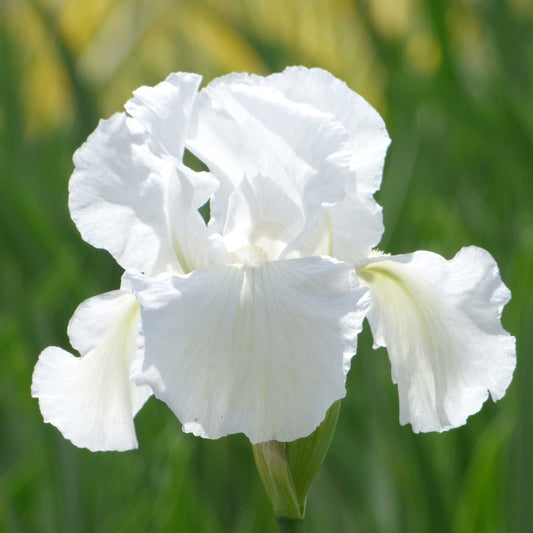
Re-Blooming Bearded Iris Bulbs - Immortality
Look no further for fragrant and flawless white bloomsRe-Blooming Bearded Iris Bulbs - Immortality
Look no further for fragrant and flawless white bloomsRegular price As Low As $14.99Regular priceUnit price per -
main-collection-product-grid
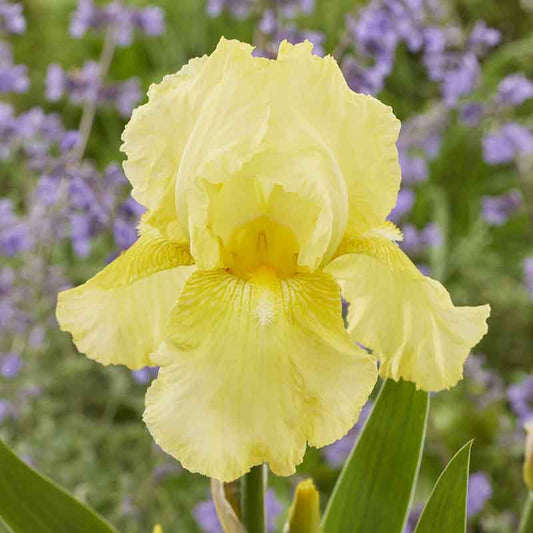
Re-Blooming Bearded Iris Bulbs - Harvest of Memories
These canary yellow blooms last up to a week in the vase, but you'll never forget themRe-Blooming Bearded Iris Bulbs - Harvest of Memories
These canary yellow blooms last up to a week in the vase, but you'll never forget themRegular price As Low As $14.99Regular priceUnit price per -
main-collection-product-grid
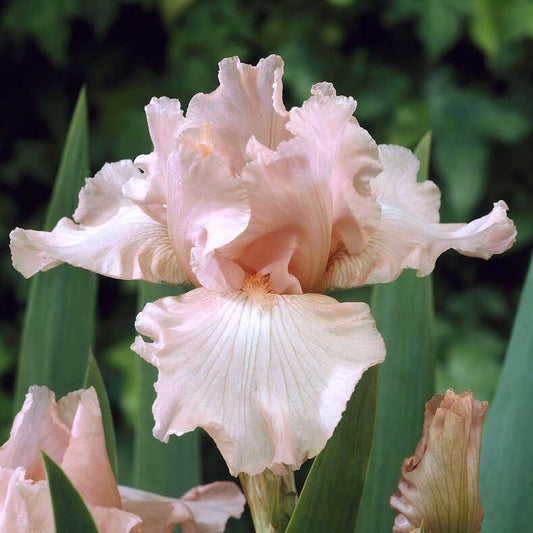
Re-Blooming Bearded Iris Bulbs - Pink Attraction
Beautifully strong fragranceRe-Blooming Bearded Iris Bulbs - Pink Attraction
Beautifully strong fragranceRegular price As Low As $14.99Regular priceUnit price per -
main-collection-product-grid
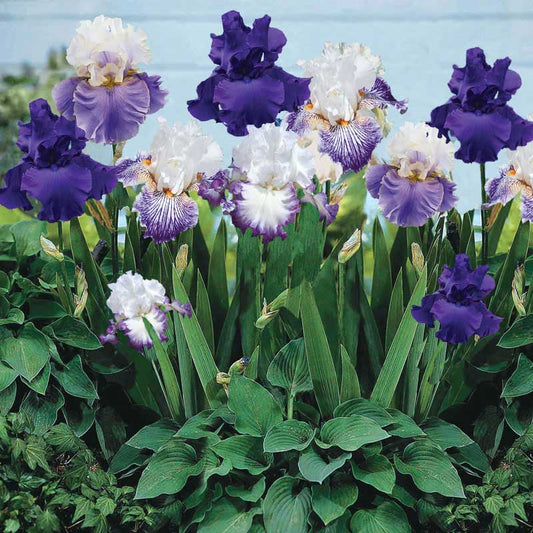
Bearded Iris Bulbs - Purple Mix
Four complimenting varieties all offering something differentBearded Iris Bulbs - Purple Mix
Four complimenting varieties all offering something differentRegular price As Low As $56.99Regular priceUnit price per -
main-collection-product-grid
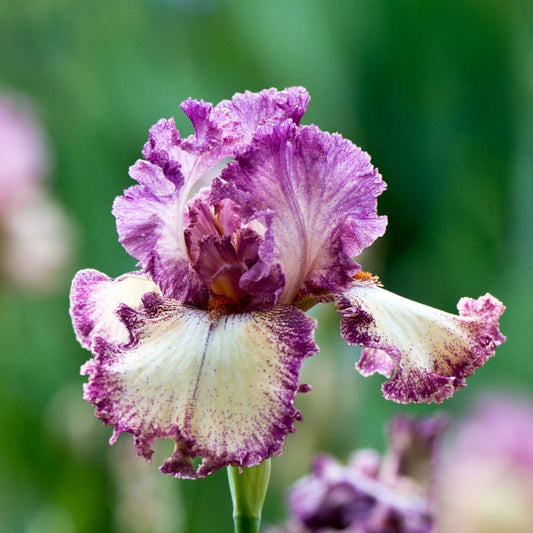
Re-Blooming Bearded Iris Bulbs - Rock Star
Shorter stature and intricate patterning demands placement front and centerRe-Blooming Bearded Iris Bulbs - Rock Star
Shorter stature and intricate patterning demands placement front and centerRegular price As Low As $14.99Regular priceUnit price per -
main-collection-product-grid
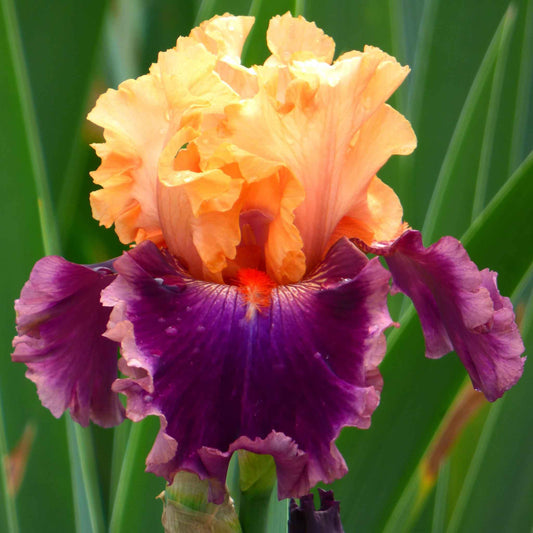
Bearded Iris Bulbs - Rasputin
Orange and violet color pattern is bold, striking, and sweetly fragrantBearded Iris Bulbs - Rasputin
Orange and violet color pattern is bold, striking, and sweetly fragrantRegular price As Low As $14.99Regular priceUnit price per -
main-collection-product-grid
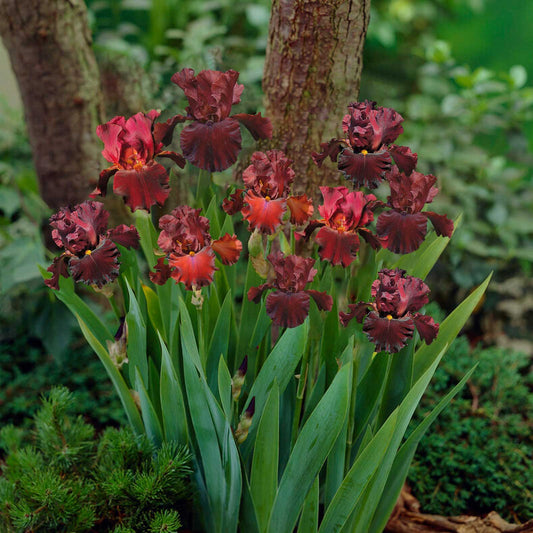
Bearded Iris Bulbs - 45 Days of Red Bloom
Combination of standard and re-blooming varietiesBearded Iris Bulbs - 45 Days of Red Bloom
Combination of standard and re-blooming varietiesRegular price As Low As $56.99Regular priceUnit price per -
main-collection-product-grid
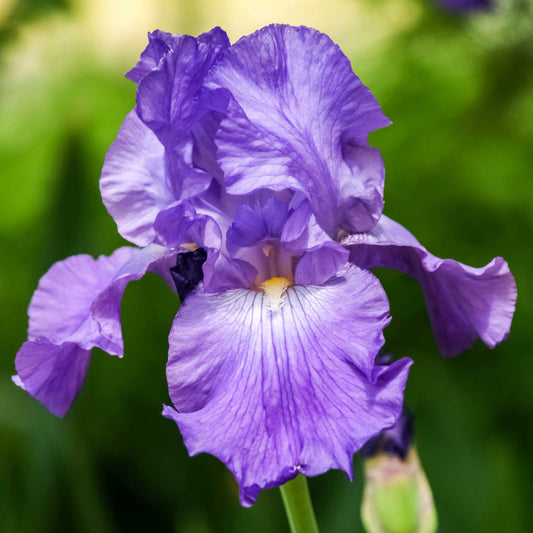
Re-Blooming Bearded Iris Bulbs - His Royal Highness
A regal gold-bearded beauty that pairs well with poppies and alliumsRe-Blooming Bearded Iris Bulbs - His Royal Highness
A regal gold-bearded beauty that pairs well with poppies and alliumsRegular price As Low As $14.99Regular priceUnit price per -
main-collection-product-grid
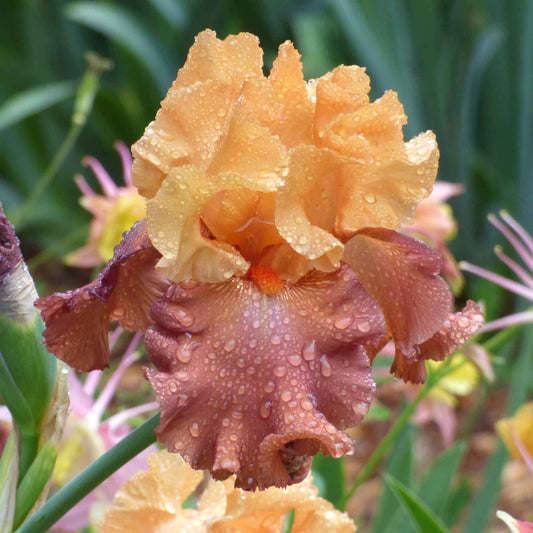
Bearded Iris Bulbs - Lovely Senorita
Impressively sized bicolored blooms unlike any other orange bearded irisBearded Iris Bulbs - Lovely Senorita
Impressively sized bicolored blooms unlike any other orange bearded irisRegular price As Low As $14.99Regular priceUnit price per -
main-collection-product-grid
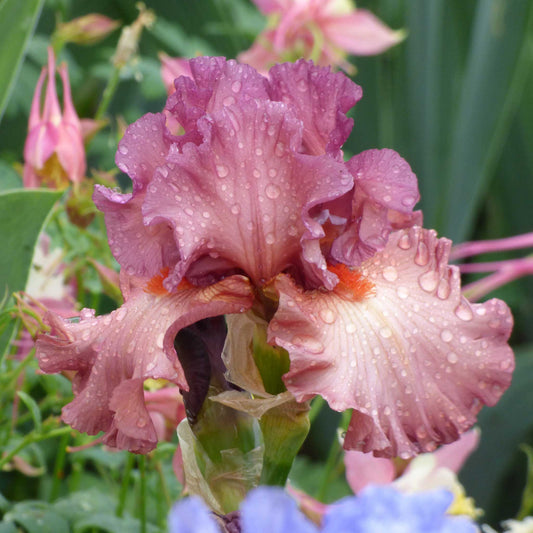
Bearded Iris Bulbs - Code Red
Saturated, single-color blooms make a striking impact in the gardenBearded Iris Bulbs - Code Red
Saturated, single-color blooms make a striking impact in the gardenRegular price As Low As $14.99Regular priceUnit price per -
main-collection-product-grid
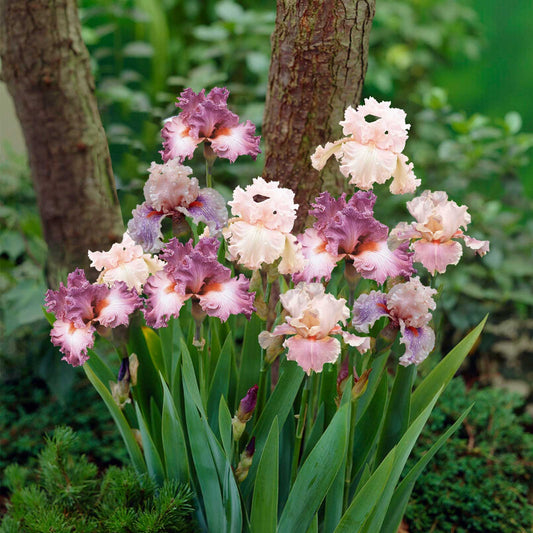
Bearded Iris Bulbs - Pink Mix
Soft, demure shades of blushBearded Iris Bulbs - Pink Mix
Soft, demure shades of blushRegular price As Low As $56.99Regular priceUnit price per -
main-collection-product-grid
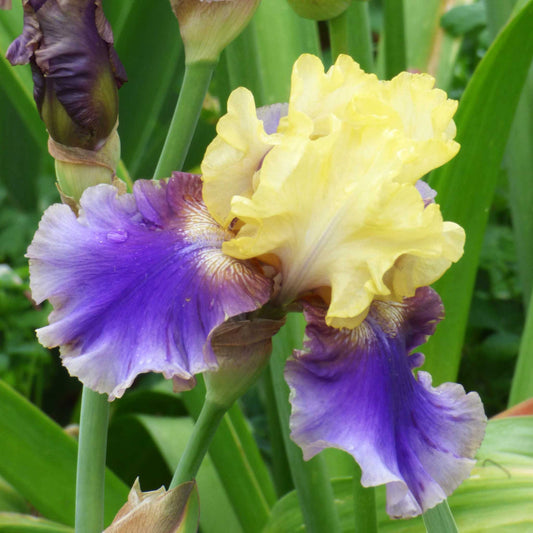
Re-Blooming Bearded Iris Bulbs - Jurassic Park
Multiple award winner with distinguished parentageRe-Blooming Bearded Iris Bulbs - Jurassic Park
Multiple award winner with distinguished parentageRegular price As Low As $14.99Regular priceUnit price per -
main-collection-product-grid
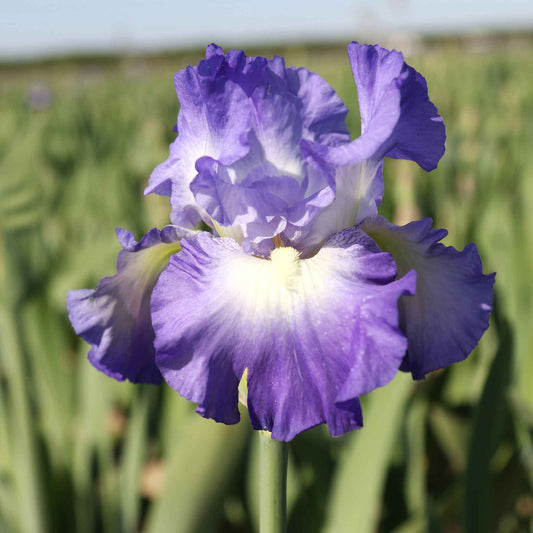
Re-Blooming Bearded Iris Bulbs - City Lights
Cream-colored beards illuminate azure standardsRe-Blooming Bearded Iris Bulbs - City Lights
Cream-colored beards illuminate azure standardsRegular price As Low As $14.99Regular priceUnit price per -
main-collection-product-grid
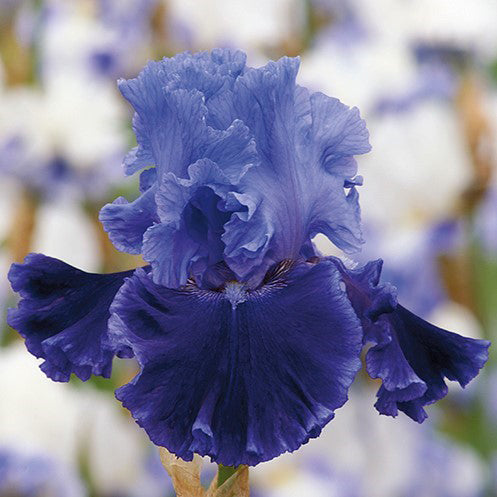
Bearded Iris Bulbs - Cybergrape
Multiple blossoms open at the same time, on the same stemBearded Iris Bulbs - Cybergrape
Multiple blossoms open at the same time, on the same stemRegular price As Low As $14.99Regular priceUnit price per
Growing iris flowers in your garden
- 86 various iris bulb varieties
- Perennial favorite for adding color to landscapes
- Blooms in spring/early summer with Reblooming Bearded Iris blooming again in the fall
- Easy to grow and drought, deer, and rabbit resistant
A Collector’s Dream
With bearded iris, “just one more” is practically guaranteed. There are so many types to explore, each offering its own mix of color patterns, fragrances, and distinctive bloom forms. Once gardeners discover how dramatically different these beauties can be, it’s easy to fall into collecting mode, building a lineup that’s as varied and personal as any curated gallery. Enjoy subtle pastels, bold bicolors and everything in between; bearded iris rewards curiosity with endless new favorites.
So Many Reasons to Love Bearded Iris
Some bearded iris greet you with a sweet, memorable fragrance which acts as an extra layer of delight when they’re in bloom. Even better, some varieties of bearded iris are reblooming and offer a second round of flowers, blooming once in late spring and then again in the fall. Many varieties also carry fascinating names inspired by people, places, and stories, which makes choosing favorites feel like collecting little garden characters. And because clumps multiply quickly, bearded iris have become the ultimate “pass-along” plant, making them easy to divide, share with friends, and spread from garden to garden.
Anatomy of a Bearded Iris
Understanding the many parts of a bearded iris bloom makes it even more enjoyable, revealing the intricate structure behind its beauty. The three upright petals on top are the standards. The three downward-cascading petals are the falls. The beard is the fluffy ‘caterpillar’ at the top of the falls, giving bearded iris their name. Often, the beard is in a startling color contrast to the other petals of the iris and acts as a pollinator guide. The haft is the throat or base of the falls and standards where they narrow toward the center. Some bearded varieties even have specialized features like horns or flounces that extend from the end of the beard, so be sure to look out for those parts as well!
When to plant irises for the best results
Typically, irises are planted in the late summer. Select a spot in the yard that has plenty of well-draining soil. A pH level of a little less than seven is ideal. If necessary, do a soil test and amend the soil accordingly. Be sure to allow for plenty of space between each rhizome so that they do not become overcrowded. Prepare your garden bed by loosening the soil to a depth of 12 to 15 inches. Once loose, mix in a two to four inch layer of compost. For each rhizome, dig a shallow hole that is large enough to accommodate the rhizome, or clump of rhizomes. Each hole should be about four inches deep. Form a mound of soil in the center of the hole for the planting base. Place the rhizome on the mound-high enough so that the rhizome is slightly above the soil level. Gently spread the roots down the side of the mound. Fill the hole with soil, press gently, and then water well. Each grouping of irises should be placed about two feet apart.
Dividing iris rhizomes
Once the blooming has ended for the season, cut back the green foliage to about four to six inches. This ensures that the plant will not exert energy trying to maintain leaves throughout the winter. Every three to four years, divide the rhizomes.